


Are you a singer-songwriter looking to “make it big” in an industry now willing to pay you $.005 per stream for your work?
Heading to Nashville, Tennessee, where you’ll need to achieve nearly half a million Spotify streams monthly to afford rent, could or should be an eventual destination, but probably not your first stop.
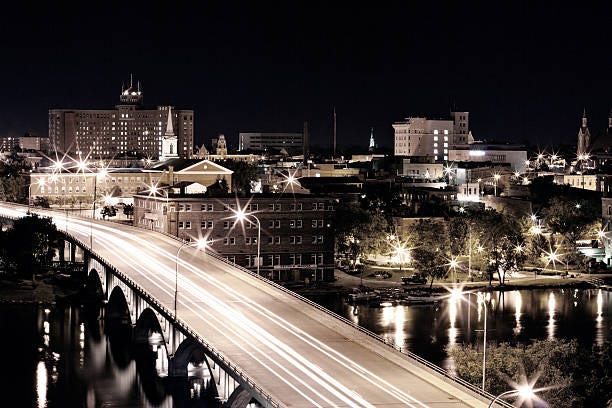
Imagine moving from wherever you are to a city like Rockford, Illinois. Sure, you’re 90 miles away from Chicago. But in many ways, what a city like Rockford has represented, and could represent in the future, is the most sustainable future for art, artistry, and dynamic cultural shifts.
Imagine that being where spending a summer month solely watching women’s baseball, hearing live music, and eating farm-to-table cuisine sustains the entertainment economy of a city that once fostered a culture that inspired a generation and generated half a billion dollars in global revenue.
It’s not a crazy thought to imagine. It’s the former “Screw City”’s present and future reality.
Rockford’s Legacy of Reinvention
Rockford, Illinois, is looking to achieve the type of generational moment that takes a century to revive.
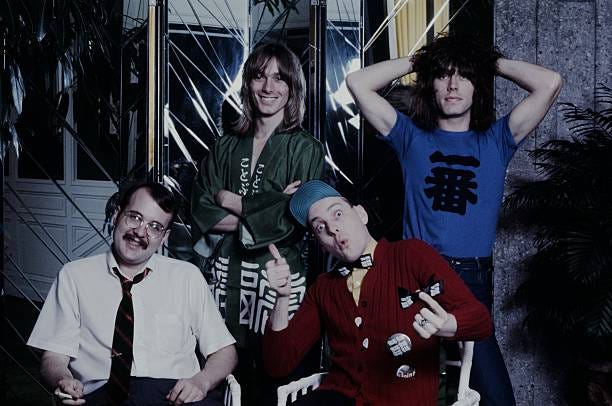
Two in five Rockford residents are no longer employed in manufacturing. Thus, they no longer spend their money engaging in everything from cheering on the All-American Girls Professional Baseball League’s Rockford Peaches to four championships in six years to supporting burgeoning rock acts like Cheap Trick in intimate downtown rock clubs like The Stardust Club and Froggy Plutz’s Magic Twanger.
That all happened between 1945 and 1975. What resulted was incredible.
The Peaches were later memorialized in the 1992 film “A League of Their Own.” Featuring an all-star cast comprising Tom Hanks, Geena Davis, Madonna, Lori Petty, and Rosie O’Donnell, it doubled its production costs in box-office revenue.
Cheap Trick? The quartet is now enshrined in the Rock and Roll Hall of Fame. By 1978, the band caught on in Japan and released a live album recorded while on tour at spaces like Tokyo’s Nippon Budokan Hall in front of 15,000-plus people.
Five decades later, songs like “I Want You To Want Me” define their success alongside over 30 million albums sold globally and a half-dozen top-five hits worldwide.
Achieving that level of local-to-global renown with an average population of roughly 120,000, largely blue-collar laborers, is incredible.
Replicating that acclaim might seem impossible.
Rethinking the Rust Belt Experience
America’s urban planners and nightlife advocates generally suggest going out roughly 8 to 12 times a month for activities costing at least $50 per person to reliably sustain independent venues, restaurants, and local entertainment ecosystems.
Now, imagine that place is Rockford, Illinois, aka the Rust Belt’s formerly iconic “Screw City,” thriving in the shadows of Chicago’s broad shoulders.
Yes, you’re right to scratch your head. Those Rust Belt exurbs were once the cities where people would stereotypically eat a hearty meal of pizza, pasta, and meatballs, then head out to wash it down with a pilsner or five at the local pub while a rock band kicked out the jams.
However, changes in timing and population in Screw City have evolved the city beyond that expectation. Perhaps they now lead to a different imagination of what could become a potentially lucrative and vibrant cultural moment.
Revitalizing Icons: The Norwegian & Beyer Peaches Stadium
Head into Rockford now, and within a 10-minute drive of each other, north and south respectively, are The Norwegian restaurant and the newly refurbished Beyer Peaches Stadium.
On multiple levels, both venues hold part of the answer to how a city like Rockford can reclaim and eclipse its former glory.
Since 2018, The Norwegian, an ambitiously spacious, community-engaged, Scandinavian-inspired farm-to-table restaurant and live music venue, has been located at the opposite end of the same block where Cheap Trick performed at The Stardust Club 50 years ago.
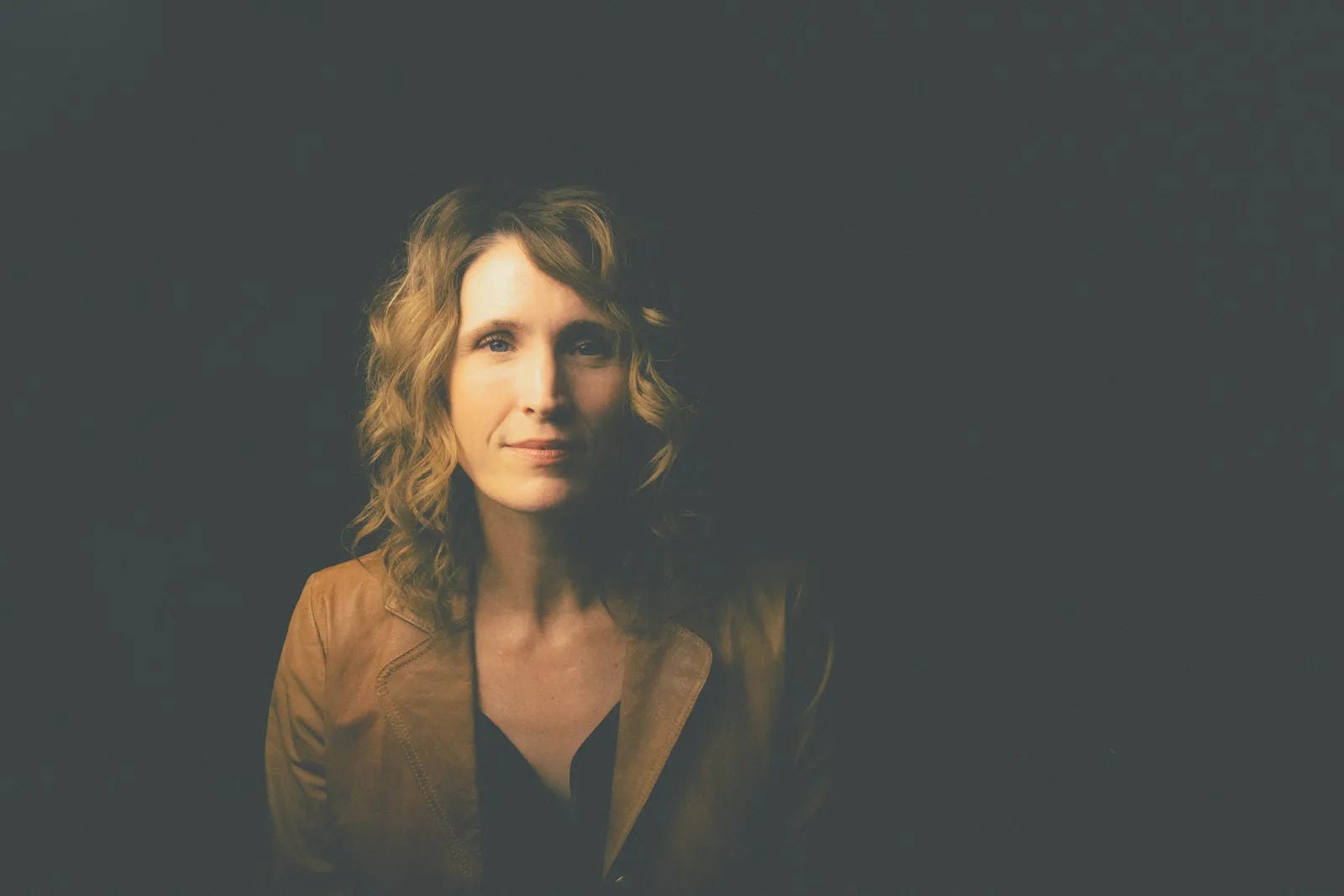
Of note? The restaurant’s co-owner, Rockford native Emily Hurd, has been a soulful indie pop performer for 20 years. As a singer-songwriter, she’s toured the world and had songs featured on television shows including NCIS, 90210, The Good Wife, Melrose Place, and Life Unexpected.
“The spirit you’ll find in cities like Rockford is of people starting again. There’s an opportunity when things fall apart,” says Hurd.
Sit down long enough with Hurd while eating locally-sourced produce from a menu that changes weekly, and she’ll happily point out no fewer than three different local couples eating dinner who were also responsible for everything from the fresh shrimp in the Scandinavian-inspired ceviche to the tomatoes that inspired the house cocktail served that evening.
As well, the renovation of the 113-year-old Beyer Peaches Stadium has been a two-decade-long tale that now involves millions in funding from over a dozen city, state, private, public, and global corporate donors, as well as the facility’s new operator, the International Women’s Baseball Center (IWBC).
Recently, the facility hosted its first post-renovation game featuring the Chicago Perfect Catch, a decade-old, all-girl, Illinois-based travel team comprised of 8-18-year-old girls. Future goals for the IWBC include a multi-million-dollar activity center and museum to be located on a parcel across the street from the stadium.
“More than a stadium, (Beyer Peaches Stadium) represents a living, breathing, and historically sustainable working-class community focal point,” says Kat D. Williams, PhD. The indomitably spirited professor Emeritus of history at West Virginia’s Marshall University also serves as the IWBC’s Chief Executive Officer.
Together, The Norwegian and Beyer Peaches Stadium show how Rockford’s past, present, and future are intertwined. Through creative reinvention, deep community roots, and a willingness to invest in local culture, the city is not just preserving its heritage but also actively shaping a new narrative—one in which resilience and pride fuel a vibrant resurgence.
Balancing Past, Present, and Future
Being astonished by the notion that Rockford is slowly reviving itself is understandable.
The early 1980s economic downturn caused local unemployment to spike by 25%, one of the highest rates in the nation.
That shift has transformed the city from a heavy blue-collar factory hub into a more diversified regional center.
Now, only roughly one in five Rockford residents is employed in manufacturing.
That’s certainly affected the local economy’s ability to foster the same improbable moment that defined the city’s global renown nearly a century ago.
For the past two years, Hard Rock Casino has operated an outpost in Rockford. Grammy-winning Grand Ole Opry member Travis Tritt performed a sold-out concert at the venue’s 2,000-seat Hard Rock Live on August 14.
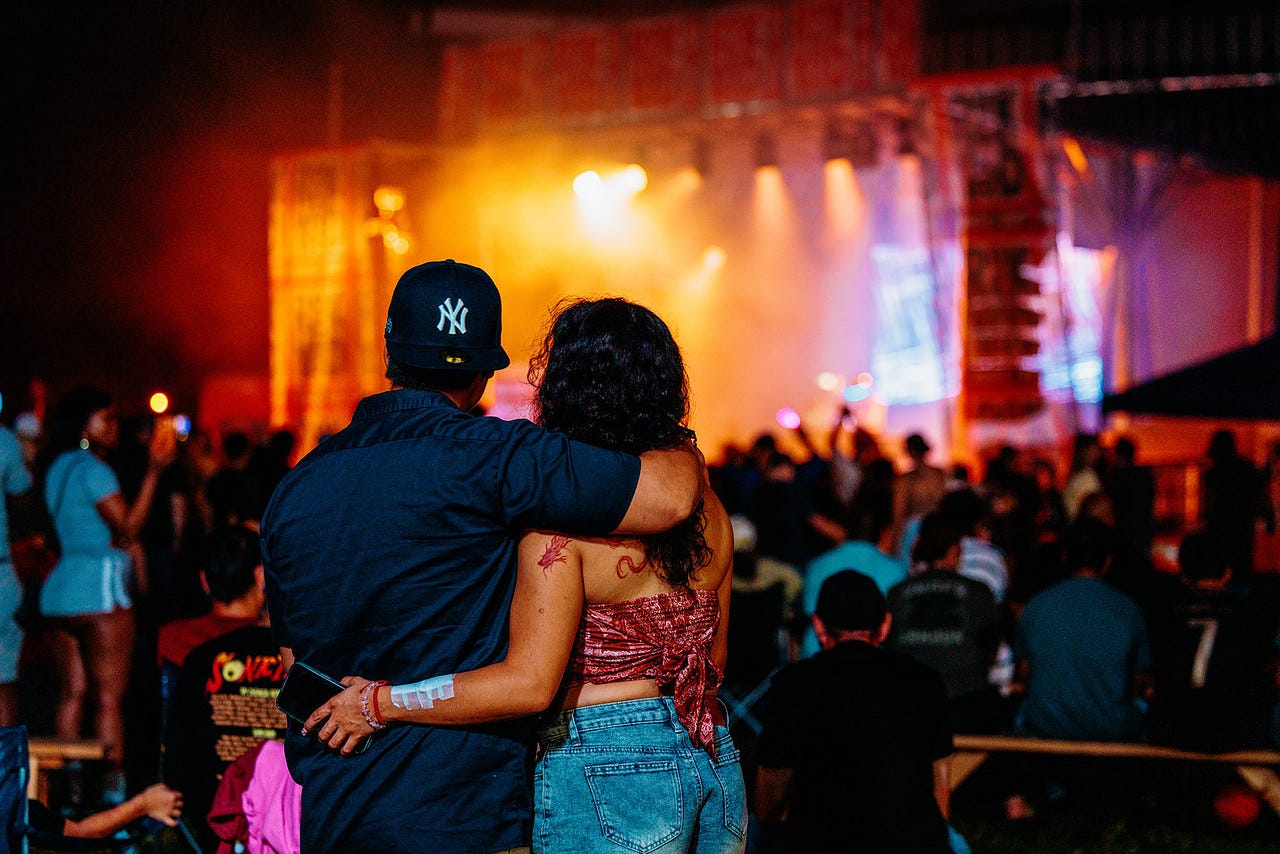
On the same night, in downtown Rockford in Davis Park, the first of two nights at the new, free-to-attend, city-sponsored and family-aimed RockYard Music Fest featured a sparser, yet still lively crowd partying to numerous local artists, as well as the Chicago-based Trippin’ Billies, America’s longest-touring Dave Matthews Band tribute act.
At the casino, it felt like every single one of those one-in-five blue-collar-employed, classic Rockford residents was loudly singing along about having “rice cooking in the microwave” on a “Great Day To Be Alive” with 90s country favorite Tritt. In contrast, downtown felt more hopeful about where Rockford’s expanding socioeconomic demographics could be headed.
Rockford’s journey isn’t about choosing between nostalgia and progress, but about weaving the best parts of its past into the fabric of its present. By finding this balance, the city is creating a future defined by both resilience and renewal—a place where tradition and transformation go hand in hand.
Rockford’s Creative Renaissance
What becomes of the singer-songwriter at the center of this story?
Rent in Rockford is at least 20 percent cheaper than it is in Nashville, and yes, the food is good, and there are all sorts of activities available. But what aspect of the community will inspire their music?
Moreover, what in the community is so sincerely and genuinely worthwhile that it might replicate or go beyond what is traditionally found in Music City?
“Communities like Rockford have a crucial, fundamental need to experience significant, authentic historical culture — maybe not exactly as it was 100 years ago, but it can still serve as a communal epicenter,” says IWBC CEO Kat Williams about having spaces like Beyer Peaches Stadium exist as sustainably resurgent in the local community.
Since Emily Hurd returned to Rockford from her time in Chicago more than a dozen years ago, she has noticed that the noise from community activities has not come only from places such as Beyer Peaches Stadium. More generally, in a community that had previously been fighting off a near-predatory local decline, a clear and firm sense of pride has developed among local creative entrepreneurs like her.
“What’s become good in Rockford is almost indescribably good,” says Hurd.
She points out that for creatives who want to join people like herself and Williams, it is not completely safe since data indicates that the city is 97% more violent than most communities in Illinois; however, she provides a wonderful metaphor stating that a sense of “meaningful reality” is “blossoming” in Rockford amongst “a shared community of similar kinds of plants.”
“We’re a force of people who aren’t frightened by our surroundings, but inspired by what can be awesome and exciting about directly engaging with them,” Hurd says.
“A universe of humans who enjoy talking to other humans and feeling shared emotions can only benefit singers and songwriters whose art gets better the more they’ve lived and seen what it can represent. If you’re writing for art’s sake, Rockford allows for your most meaningful art to (possibly) exist.”